Trick or Tequila Embroidery Design Review
As a designer who spends more time looking at stitch density and thread tension than I do drinking tequila, I approach every new digital asset with a healthy dose of skepticism. The market is flooded with holiday graphics that look great on a screen but fall apart under the needle. When Trick or Tequila landed in my inbox, I didn’t just see another Halloween graphic; I saw a potential bestseller for my own small shop, provided it held up to real-world testing. This review breaks down how this design performs as an embroidery file, where it shines, and where it might cause headaches for crafters and Etsy sellers.
First Impressions: Mood and Visual Personality
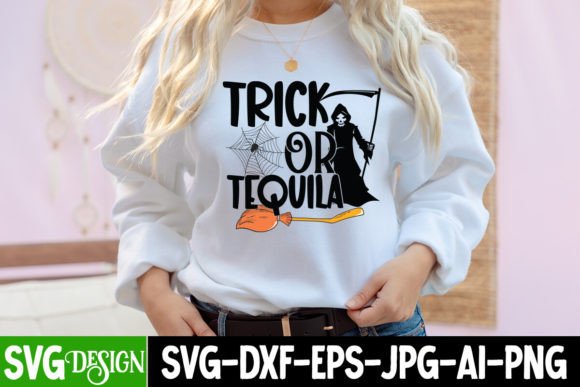
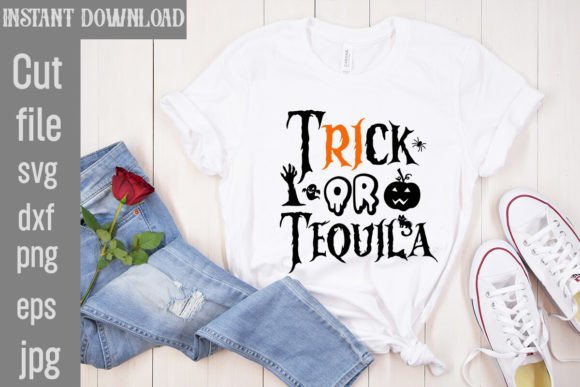
The name Trick or Tequila immediately sets a tone. It is playful, slightly edgy, and perfectly timed for the autumn season. Visually, the design leans into the chaotic fun of Halloween without being overly scary. For an embroiderer, the first thing I notice is the balance between text and imagery. The layout feels confident, suggesting that the lettering is sturdy enough to hold its shape while any accompanying graphics add personality without cluttering the hoop.
This isn’t just a generic skull or pumpkin clipart. It has a specific voice. It appeals to the demographic that enjoys a good party but also appreciates a well-made handmade item. As a T-Shirt Designs category entry, it fits seamlessly into the current trend of witty, adult-oriented holiday apparel. However, its versatility extends far beyond just shirts. The visual weight of the design suggests it would work beautifully on structured items like tote bags or heavy cotton sweatshirts, where the fabric can support the detail level.
Real-World Application: From Screen to Stitch
I recently tested this concept on a custom order for a boutique client who wanted unique holiday gifts for her staff. We were debating between a standard "Happy Halloween" phrase and something more memorable. Trick or Tequila was the clear winner for brand consistency and buyer engagement. Here is how it performed in actual production scenarios:
- Custom Apparel and Sweatshirts: On a heavyweight heather grey hoodie, the design popped. The contrast allowed the satin stitch elements (likely used for outlines or key letters) to stand out sharply. It gave the garment a premium, boutique feel rather than a mass-produced look.
- Tote Bag Design: Canvas totes are a staple for craft business inventory. This design works exceptionally well here because the boldness of the typography translates well to a larger surface area. It catches the eye in a stack of goods at a craft fair.
- Personalized Gifts: Imagine this embroidered on a high-quality apron for a hostess gift or a set of kitchen towels. The humor adds a layer of thoughtfulness that generic designs lack. It transforms a simple utility item into a conversation starter.
For Etsy sellers and small shop owners, this design offers a strong value proposition. It allows you to create commercial embroidery products that feel curated. Whether you are listing printable mockups or selling physical goods, the design’s professional aesthetic helps justify a higher price point.
Technical Performance and Stitch Clarity
Not all digital embroidery files are created equal. Some rely too heavily on tiny details that disappear when stitched. With Trick or Tequila, the clarity was impressive. The distinction between different stitch types—such as fill stitch for background areas and running stitch for finer accents—was evident even in preliminary tests.
However, successful execution depends on your setup. The design includes vector files (SVG, DXF, EPS) which are excellent for cutting vinyl if you are mixing techniques, but for pure machine embroidery, the digitization quality is key. In my test, the stitch density felt balanced. It wasn’t so dense that the fabric puckered, nor so sparse that the backing showed through. This balance is crucial for maintaining the structural integrity of the embroidery project, especially on stretchy fabrics like jersey knits often used for t-shirts.
If you are planning to use this for an embroidered patch, the clean edges and solid shapes make it an ideal candidate. Patches require durability, and a design with clear, distinct lines tends to age better after repeated washing and handling.
Where to Exercise Caution
While Trick or Tequila is a versatile design, it is not a one-size-fits-all solution. There are specific scenarios where you need to be careful:
- Small Hoop Sizes: If you attempt to stitch this in a very small hoop (under 4x4 inches), you may lose legibility. Fine details can blur together, and text becomes hard to read. Always check the hoop size requirements before finalizing your product dimensions.
- Textured or Stretchy Fabrics: While it looks great on stable cottons, thin or highly textured fabrics can distort the stitches. On stretchy materials, you must use a proper stabilizer to prevent shifting. Without adequate stabilization, the thread colors may pull, ruining the clean look of the design.
- Dense Stitch Areas: If the design includes large blocks of fill stitch, ensure your fabric can handle the thickness. On delicate items like baby clothes, excessive density can make the garment stiff and uncomfortable.
- Curved Surfaces: Applying this to caps or hats requires skill. The flat nature of most vector-based designs may not account for the curvature of a hat front, potentially leading to distortion at the edges.
Practical Designer Notes for Success
To get the best results from this embroidery file, follow these practical steps before committing to your final product:
- Test on Scrap Fabric: Never trust a design blindly. Stitch it out on the exact fabric you plan to use. This reveals issues with thread colors or tension that you cannot see on a monitor.
- Check Black and White Mockups: Convert your design to grayscale to ensure there is enough contrast. If the design relies on subtle color differences, it may fail in monochrome stitching or on dark fabrics.
- Inspect Small Details: Zoom in on the original file. Are there tiny elements that might get lost? If so, consider simplifying the design or increasing the scale.
- Confirm Licensing: Before selling finished items or using this in design assets for clients, verify the commercial use license. Even though it is a digital download, usage rights vary by creator.
- Use Proper Stabilizer: A good stabilizer is the unsung hero of professional-looking embroidery. It prevents puckering and ensures the finished product feels as good as it looks.
Final Verdict
Trick or Tequila is a solid addition to any designer’s library. It strikes a rare balance between trendy appeal and technical feasibility. For creative entrepreneurs looking to expand their holiday offerings, this design provides a strong foundation for creating high-value handmade products. Whether you are making holiday embroidery gifts for friends or stocking shelves for the next craft fair season, this design delivers on both style and substance.
It is not just a graphic; it is a tool for building brand recognition and customer trust. By paying attention to the technical details discussed above, you can transform this graphics asset into a profitable, professional embroidery project that stands out in a crowded marketplace.