My First Halloweenie SVG Cut File: A Designer’s Review
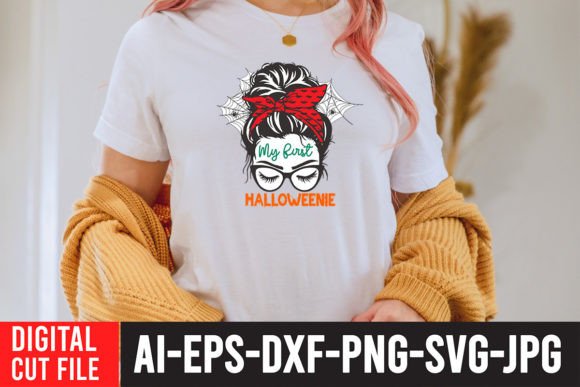
As a designer who spends more time troubleshooting stitch paths than sleeping, I approach every new embroidery file with a mix of optimism and skepticism. The market is flooded with generic clip art masquerading as professional design assets. However, when evaluating the My First Halloweenie SVG Cut File, I was immediately drawn to its distinct personality. It isn’t just another pumpkin; it carries a specific mood that resonates strongly with the current trend of retro-inspired, whimsical holiday aesthetics.
This review stems from a practical standpoint. I don’t just look at the vector lines; I visualize the finished product on a customer’s chest or a boutique shelf. This T-Shirt Designs asset falls squarely into the Graphics category, but its true value lies in how it translates from a digital screen to physical thread. Below, I break down how this design performs in real-world scenarios, where it shines, and where you might need to exercise caution.
The Visual Personality and Mood
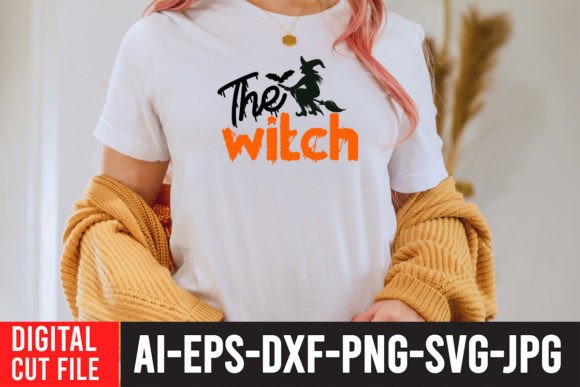
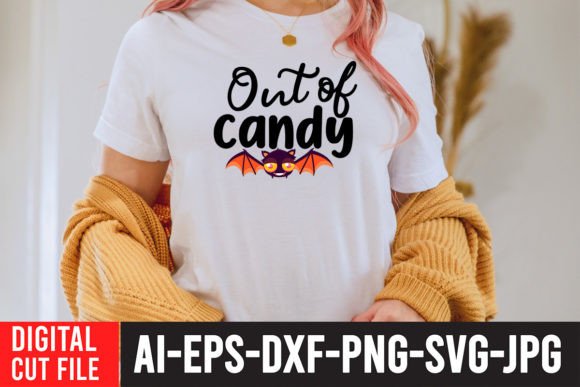
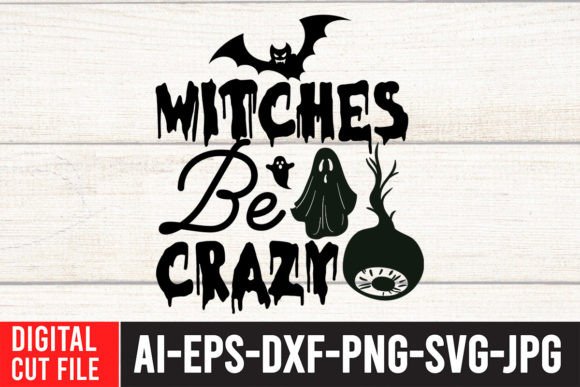
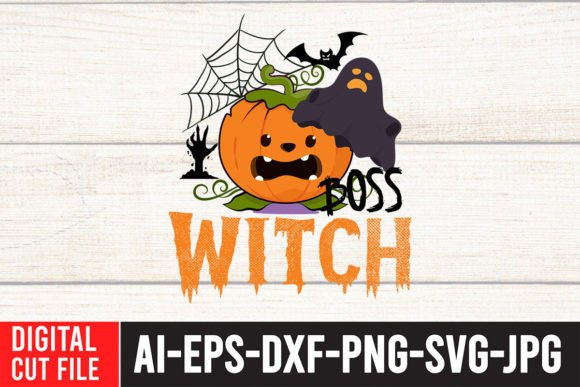
The first thing that strikes you about the My First Halloweenie SVG Cut File is its charm. It taps into the "cute" factor without veering into childish territory, making it versatile for both children’s wear and adult novelty apparel. The design likely features elements associated with a Halloween svg Png Bundle, such as retro pumpkins, witches, or playful typography, all unified by a cohesive visual language.
From a design perspective, the layout feels balanced. There is enough negative space to allow the eye to rest, which is crucial for embroidery. Unlike dense, cluttered designs that can look muddy after stitching, this file appears to prioritize clarity. The retro vibe suggests bold shapes and perhaps a limited color palette, which is excellent for thread colors management. It evokes a sense of nostalgia, perfect for fall-themed collections. When I imagine this on a cream-colored canvas tote or a soft heather-gray sweatshirt, it immediately reads as a premium, curated item rather than a mass-produced cheap print.
Real-World Application: Where Does It Fit?
In my experience, the success of an embroidery project depends heavily on the substrate. Here is how I see the My First Halloweenie SVG Cut File performing across various categories:
- Custom Apparel: This design is ideal for sweatshirt embroidery. The retro theme pairs beautifully with heavyweight cotton blends often used in hoodies. It works equally well as a small left-chest logo on a t-shirt, offering a subtle nod to the season without overwhelming the garment.
- Baby and Nursery Items: The whimsical nature makes it a top contender for baby embroidery. Think onesies, bibs, or burp cloths. Parents love personalized gifts that are safe, soft, and visually appealing. This design could easily be part of a "First Halloween" series for infants.
- Home Decor and Textiles: Beyond clothing, this tote bag design potential is significant. An embroidered patch applied to a canvas bag adds texture and durability. It also fits well on kitchen towels or tea towels, serving as a functional personalized gift for hosts during holiday gatherings.
- Commercial Merchandise: For the Etsy seller or small shop product owner, this design offers high versatility. It can be used to create a cohesive line of holiday embroidery items, including pillow covers, aprons, and caps. The retro aesthetic has broad appeal, increasing the likelihood of sales during the peak Q4 shopping season.
Technical Considerations and Stitch Quality
While the visual appeal is strong, we must discuss the technical execution. As an experienced reviewer, I always consider how the design will behave under the needle. The My First Halloweenie SVG Cut File likely utilizes a mix of fill stitch for the main body of any pumpkins or characters and satin stitch for outlines or text.
One critical aspect is stitch density. If the design is too dense, it may become stiff and uncomfortable to wear, especially on baby clothes or delicate fabrics. Conversely, if it is too sparse, it might show the backing material through the fabric. Based on the retro style, I anticipate a moderate density that balances coverage with flexibility. However, you should always check the digitizing notes or test run the file to ensure the stitch density is appropriate for your specific fabric weight.
Another consideration is the use of applique. If the design includes an applique design element, such as a contrasting background shape behind the main motif, it adds a layer of sophistication and reduces bulk compared to solid fill stitches. This technique is excellent for creating a professional finish on custom apparel.
Where to Use It Carefully
No design is universal. There are specific scenarios where the My First Halloweenie SVG Cut File might not perform as expected:
- Small Hoop Sizes: If you are working with very small hoop sizes (under 4x4 inches), intricate details may get lost or look cramped. Ensure the design scales well down to your minimum production size.
- Textured and Stretchy Fabrics: Avoid using this on highly textured fabrics like bouclé or loose-knit sweaters, as the fabric texture can distort the stitch path. Similarly, on stretchy fabrics like spandex blends, ensure you use a proper stabilizer to prevent puckering.
- Dense Stitch Areas: If the design includes tiny lettering or very fine decorative accents, these areas may not hold up well to frequent washing. For items that will undergo heavy use, such as work aprons, consider simplifying the design or avoiding these fragile details.
- Curved Surfaces: While caps and hats are popular, applying this design to curved surfaces requires careful hooping techniques. The flatness of the original graphic might warp slightly if not digitized specifically for curved applications.
Practical Designer Notes for Implementation
To get the most out of this digital embroidery file, I recommend the following workflow:
- Test on Scrap Fabric: Always run a test stitch on a scrap piece of your actual production fabric. This helps you identify any tension issues or color clashes before committing to a final product.
- Check Thread Contrast: The retro theme often relies on specific color palettes. Test your chosen thread colors against the fabric to ensure sufficient contrast. Dark fabrics may require light or metallic threads to make the design pop.
- Use Proper Stabilizer: The choice of stabilizer is just as important as the design itself. For woven fabrics, cut-away stabilizer provides long-term support. For knits, tear-away or wash-away may be suitable depending on the desired hand feel.
- Review in Black and White: Convert the design to black and white in your software to check the balance of positive and negative space. This helps ensure the design remains legible regardless of the color scheme you choose.
- Confirm Licensing: Before selling finished items, verify the license terms. Ensure you have the right to use the My First Halloweenie SVG Cut File for commercial purposes. Some files are for personal use only, while others allow unlimited commercial sales.
Final Verdict
The My First Halloweenie SVG Cut File is a strong addition to any designer’s library. It captures the essence of modern, retro-inspired Halloween aesthetics while remaining technically sound for embroidery. Its versatility allows it to shine on everything from embroidered patches to printable mockups for online listings. For the craft business owner looking to capitalize on the fall season, this design offers a blend of charm, professionalism, and marketability. Just remember to test thoroughly and respect the limitations of your materials. When executed correctly, this file can help you create a finished product that customers will cherish and display with pride.